
Gentle Support for Babies and Children: The Benefits of Craniosacral Therapy
Every child deserves to feel safe, calm, and comfortable in their own body. Yet, the journey into the world isn’t always easy—birth can be physically demanding, and little bodies can hold onto tension that shows up as unsettled behaviour, feeding difficulties, or disturbed sleep.
Craniosacral therapy is a gentle, hands-on approach designed to help babies and children release these tensions and restore balance to their nervous system. Using the lightest touch, the therapist listens to the body’s rhythms and supports natural self-healing. Parents often notice positive changes such as improved feeding, better digestion, longer sleep, and calmer moods.
For children, craniosacral therapy can also support healthy development, ease the impact of stress, and help with issues such as anxiety, headaches, or difficulty concentrating. Because it works with the body’s natural systems, it is non-invasive, safe, and deeply soothing.
Whether you’re navigating the early days with a newborn or supporting an older child’s wellbeing, craniosacral therapy offers a compassionate, effective way to nurture resilience and ease—helping little ones thrive from the inside out.
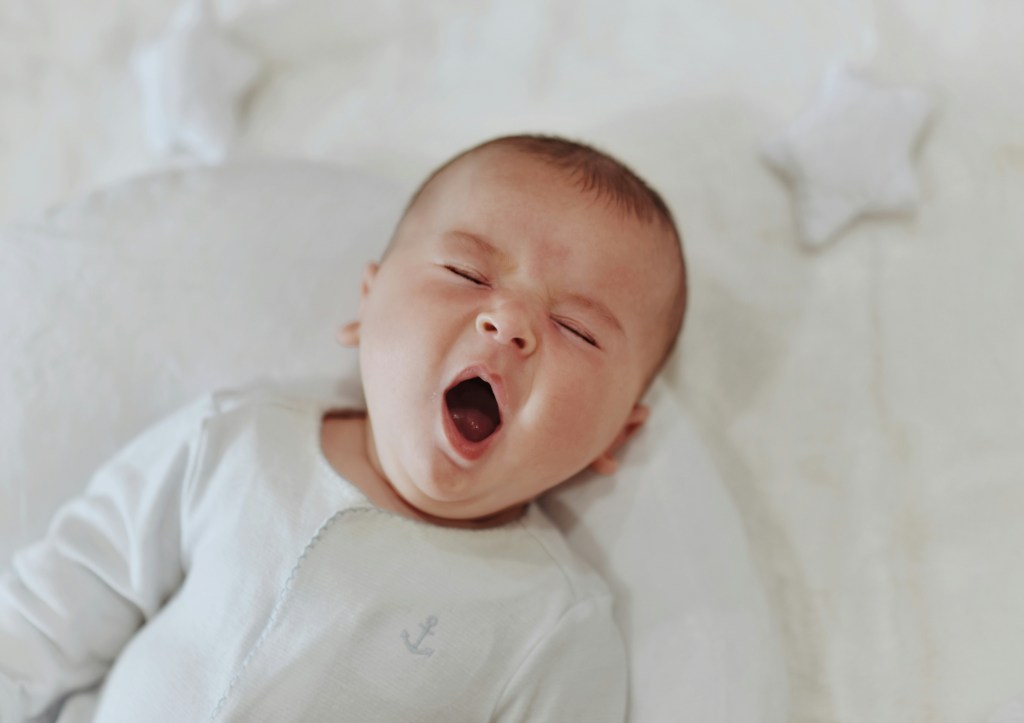
Ten reasons parents seek craniosacral therapy for their babies:
1. Colic & Reflux: CST can soothe digestive discomfort and help reduce excessive crying associated with colic.
2. Feeding Difficulties: Therapeutic hands on treatment can help alleviate tension in the jaw and neck, potentially improving breastfeeding and/or bottle-feeding issues.
3. Sleep Disturbances: Many parents report improvements in sleep patterns, as CST promotes relaxation and eases relieves tension in the nervous system.
4. Torticollis: CST can help release tension in the neck muscles, correcting abnormal head posture commonly associated with torticollis.
5. Birth Trauma: Infants often experience physical & mental stress during delivery, and CST can help address restrictions in the craniosacral system which then translated to the rest of the body’s tissues.
6. Fussiness and Irritability: CST can promote overall relaxation and may help babies who are consistently fussy or irritable.
7. Bodywork for pre & post tongue, lip & cheek tie procedures: bodywork is highly recommended to ensure this procedure is as successful as possible.
8. Ear Infections: CST may assist in reducing fluid buildup and tension in the ear area, often decreasing the frequency of ear infections.
9. Developmental Delays: When there is tension in the membranes of the skull the brain can struggle to develop. By releasing this tension neurodevelopmental processes are potentially able to progress therefore allowing developmental milestones to be reached.
10. Sensitivity to Touch/Overstimulation: CST can help regulate the nervous system, benefiting babies who are sensitive to sensory input and easily overwhelmed.
Paediatric Craniosacral therapy case studies:
- A family’s experience of CranioSacral Tehran in the NICU
- Treating an infant with CranioSacral Therapy
- Jimmy – Case Study
- Successful Application of CranioSacral Therapy in a Case of Colic in an 8-Week-Old Baby
- My Happy Baby is Back: Zero Balancing, CranioSacral Therapy and a Baby’s Journey to Becoming Mobile
- Effectiveness of craniosacral therapy in the treatment of infantile colic. A randomized controlled trial
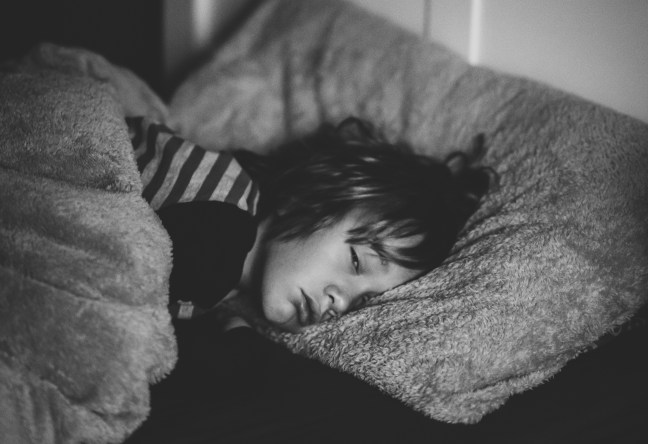
Ten concerns craniosacral therapy can help your child or teen with.
Craniosacral therapy (CST) is a gentle and effective way to support children’s health and development. It’s especially useful for addressing a variety of physical, emotional, and developmental issues that may arise as a child grows.
1. Anxiety and Stress
Children, especially as they grow older, can experience anxiety or stress related to school, family issues, or social pressures. CST helps to regulate the nervous system, promoting relaxation and emotional balance, which can help alleviate anxiety and stress.
2. Attention Deficit Hyperactivity Disorder (ADHD)
CST may help children with ADHD by calming the nervous system, improving focus, and reducing hyperactivity. It can also help children regulate emotional responses and increase their ability to concentrate.
3. Sensory Processing Disorders
Many children with sensory processing disorders (SPD) struggle to properly respond to sensory stimuli. CST can help balance the sensory systems by releasing tensions in the nervous system, potentially improving how the child processes and responds to sensory input.
4. Sleep Issues
If a child is struggling with sleep—whether it’s difficulty falling asleep, staying asleep, or having restless nights—CST can help by calming the central nervous system and promoting deeper, more restful sleep. This is particularly helpful for children with hyperactivity or anxiety.
5. Chronic Ear Infections or Fluid in the Ears
Frequent ear infections or the buildup of fluid in the ears can be problematic for children. CST may help improve drainage and fluid movement in the ear area, reduce pressure, and support immune function, potentially lowering the frequency of ear infections.
6. Headaches and Migraines
Children who experience frequent headaches or migraines can benefit from CST, which helps release tension in the cranial and cervical areas. This can lead to a reduction in headache frequency and intensity by improving circulation and easing muscular tension.
7. Trauma Recovery (Physical or Emotional)
Whether the trauma is physical, such as from an accident, or emotional, CST can be helpful in recovering from past trauma. The therapy encourages the body’s natural healing process, promoting relaxation and balance and helping the child release stored emotional tension.
8. Motor Coordination and Developmental Delays
CST can support children with motor coordination issues or developmental delays by encouraging proper cranial and spinal alignment. It can help improve balance, coordination, muscle tone, and movement patterns, aiding in overall motor development.
9. Speech and Language Delays
If a child has difficulty with speech or language development, CST may help release tension in areas such as the jaw, neck, and skull, which can directly affect speech. By promoting cranial alignment and relaxing tension in these areas, CST can support better articulation and communication skills.
10. Postural Issues and Torticollis
Children may experience postural imbalances, including conditions like torticollis (tightness in the neck muscles that causes the head to tilt to one side). CST can gently release muscle tension and improve overall posture, reducing strain and discomfort. It may also help children who slouch or have a rounded back due to poor posture.
Craniosacral therapy for children is a safe and non-invasive option, particularly for those who might be sensitive to other forms of physical therapy or treatments.
Paediatric Craniosacral therapy case studies in older children:
 Amanda Fincham - Craniosacral & Remedial Massage therapy